



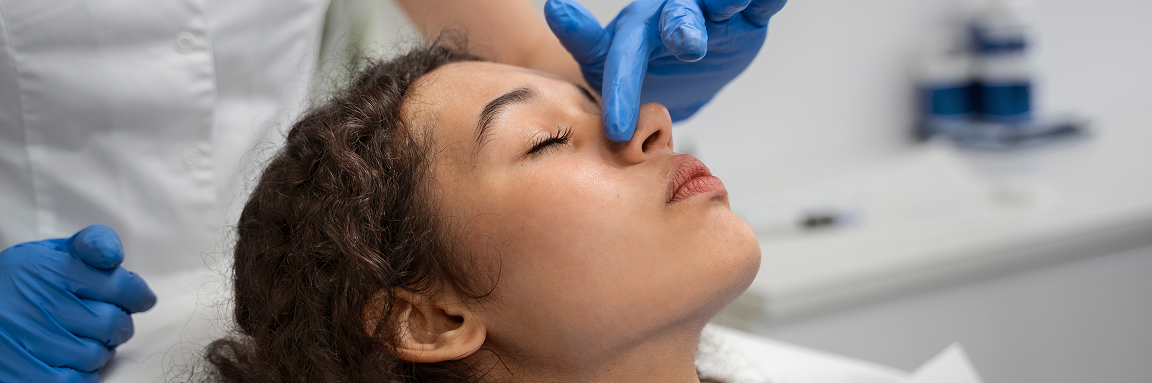


Why choose cosmetic rhinoplasty to enhance your face?
Cosmetic rhinoplasty offers the possibility of adjusting the proportions of the nose so that it harmonizes perfectly with the rest of the faceWhether it's to correct an asymmetry, soften an overly sharp angle or reshape a drooping tip, this procedure allows you to obtain a more balanced profile that is in keeping with your image.
- It can thus meet different objectives:
- To reduce a nose considered too large
- Correcting a bump or irregularity on the edge
- Refine the tip for added finesse.
- Adjust the angle of the nose and lip for better balance
- Align the nose with the other facial features
With Medcare Vacances, you benefit from a personalized approach, precise operating techniques and attentive support at each stage, for a result that is both natural and harmonious.
The preoperative consultation: prepare for your rhinoplasty with complete peace of mind
Before any cosmetic rhinoplasty, a thorough interview with the surgeon is essential. This allows for an analysis of the structure of the nose, an assessment of the patient's expectations, and a tailored surgical plan to be defined.
During this meeting, the surgeon conducts a detailed clinical examination. He explains the different possible techniques, the stages of the procedure, as well as the precautions to take before and after surgery.
This is also the time to discuss medical history, identify possible contraindications and answer any questions so that the patient can make an informed decision.
Cosmetic rhinoplasty: the key stages of the procedure
Generally, nose surgery is performed under general anesthesia and requires one or two nights of hospitalization.
An anesthetic consultation must be scheduled 48 hours in advance to ensure the anesthesia is best suited to the patient. If the patient is taking antiplatelet or anticoagulant medication, these medications must be discontinued at least ten days before the rhinoplasty procedure. Quitting smoking at least one month before and one month after the surgery is essential to promote wound healing.
The operation can last from 1.5 to 4 hours, depending on the type of rhinoplasty and the extent of the changes required. Once the procedure is complete, the surgeon will create a resin or plaster splint to place under the nose. This will need to be worn for approximately one week.

If you are undergoing treatment antiplatelet or anticoagulant, it will have to be interrupted approximately 10 days before the operation. stop smoking is also essential: it is recommended to stop all consumption one month before and one month after surgery to promote optimal healing.
Cosmetic rhinoplasty is most often performed under general anesthesia and requires on average one to two nights of hospitalization for optimal comfort and post-operative monitoring. A pre-anesthetic consultation is mandatory at least 48 hours before the procedure, in order to adapt the protocol to your state of health.

The duration of the operation varies from 1 p.m. to 30 p.m., depending on the type of rhinoplasty and the extent of the changes to be made. At the end of the procedure, the surgeon places a resin or plaster splintplaced under the nose, to be kept for about a week to stabilize the new structure.
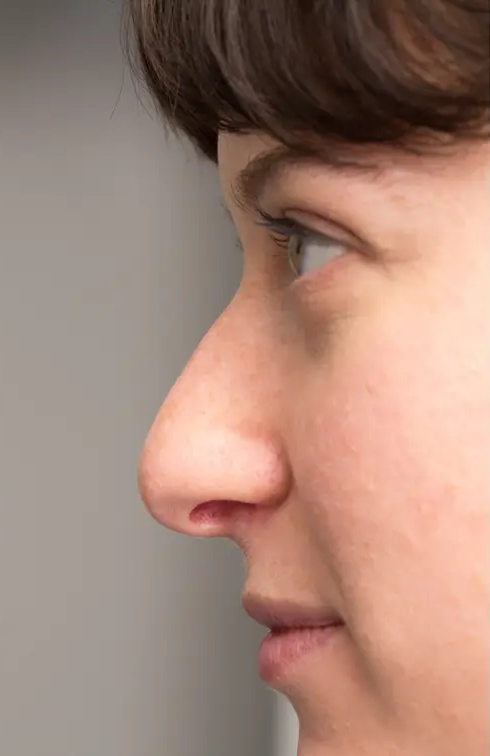
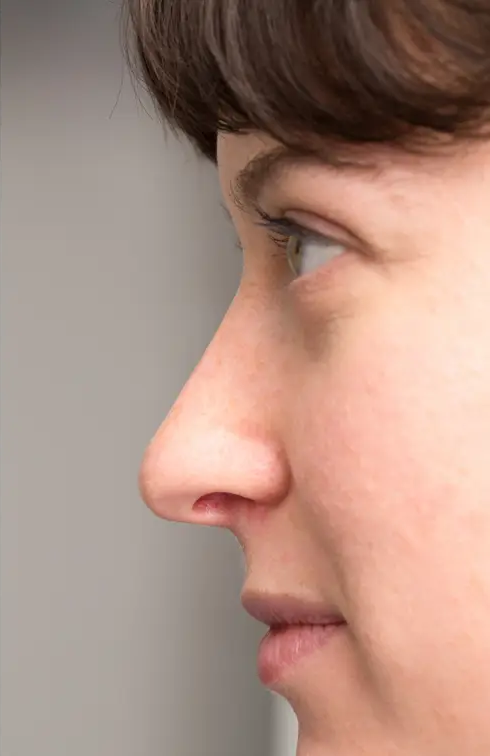
Recovery and aftercare after cosmetic rhinoplasty
The first few days following cosmetic rhinoplasty are usually accompanied by a swelling andbruising around the eyes and nose. These signs gradually diminish over about ten days.nasal splint, placed at the end of the intervention, is removed after approximately one week, leaving room for a nose that is still sensitive and slightly swollen.
The scars depend on the technique used: invisible when placed inside the nostrils (closed route), they are very discreet when located at the level of the columella (open route) and fade over the months.
Resumption of light activities is possible after 8 to 10 days., while intense physical activities and contact sports should be avoided during 4 to 6 weeksStrict sun protection is also recommended during the first few months to preserve the quality of healing.